

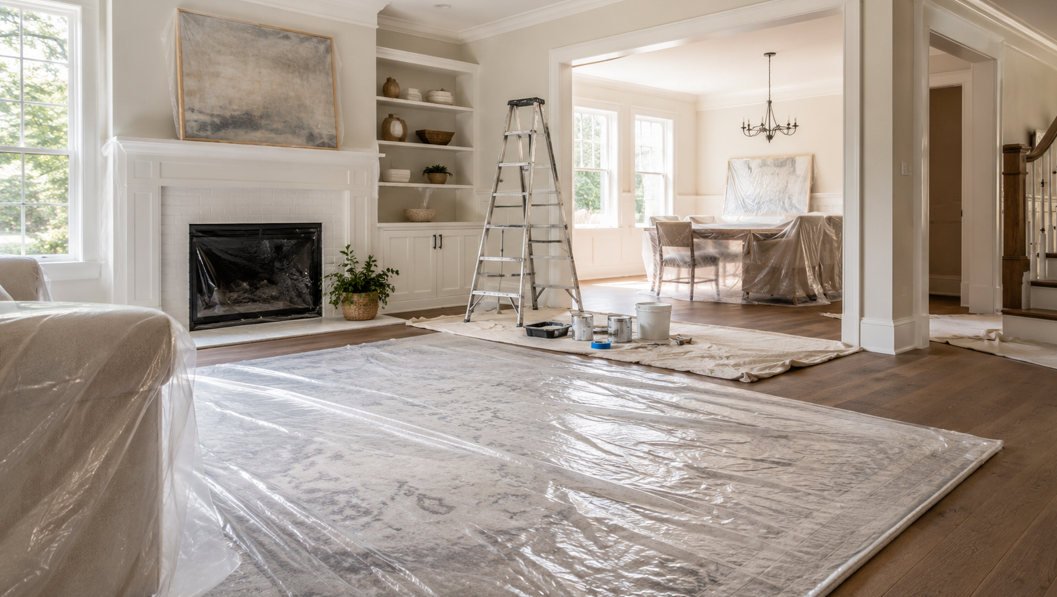
Home renovations can transform the way a space looks and feels, but they can also create dust, debris, paint splatters, heavy foot traffic, and plenty of opportunities for accidental damage. If you have area rugs you love, protecting them before work begins is far easier than trying to restore them afterwards.
That is especially true during larger projects where contractors, tools, furniture, building materials, and equipment move through several rooms. Even if your rug is nowhere near the main work area, dust and grit can travel surprisingly far through a home.
For Brookfield, IL homeowners, renovation plans may also overlap with wet or snowy weather, meaning moisture and outdoor dirt can be tracked inside alongside construction debris. A thoughtful protection plan can help keep your rugs clean, preserve their shape, and reduce unnecessary wear while the work is underway.
With more than 27 years of family service, NPN Flooring helps homeowners care for the flooring and rug elements that bring their spaces together. Whether you are updating one room or tackling a larger renovation, a few practical steps can make a major difference in protecting your area rugs.
Remove Area Rugs From the Renovation Zone Whenever Possible
The safest rug during a renovation is usually one that is not in the work area at all.
If furniture, tools, ladders, paint, adhesives, or construction materials will be moving through a room, removing the rug before work begins reduces the risk of stains, tears, crushing, and dust buildup.
Move Rugs Before Contractors Arrive
Do not wait until demolition or installation is already underway.
Take rugs out of the room before workers begin moving equipment or furniture. This provides a clear work area and reduces the chance that someone will accidentally drag a heavy object across the rug.
It also prevents dust from collecting deep within the fibers during the messiest stages of a project.
Clean the Rug Before Storage
If the rug already contains dirt, crumbs, or grit, storing it in that condition can allow particles to remain trapped for the duration of the renovation.
Vacuum the rug carefully before rolling it.
Follow the manufacturer's care recommendations if additional cleaning is needed. Avoid storing a damp rug, since trapped moisture can create odor and other problems.
Roll Instead of Fold
Whenever practical, roll the rug rather than folding it.
Folding can create creases that may take time to relax once the rug returns to the room. Larger or more delicate rugs may benefit from being rolled around a sturdy tube or other appropriate support.
Roll the rug evenly and avoid creating excessive pressure in one area.
Label Rugs From Multiple Rooms
Large renovation projects sometimes involve removing several rugs at once.
A simple label can save time later.
Note which room each rug came from and, if useful, which direction it faced. When the work is complete, you will not have to rely on memory to recreate the original arrangement.
Store Your Rugs in a Clean, Dry Location
Removing a rug from the renovation area is only half the job. Where you put it matters too.
A garage floor, damp basement corner, or dusty storage room may expose the rug to a different set of problems.
Choose a Dry Indoor Space
Look for an area away from renovation dust, moisture, and major temperature swings.
A spare bedroom, clean closet, or another finished section of the home may work well if it is not affected by construction.
If a renovation covers most of the house, consider whether secure off-site storage makes sense for especially valuable or delicate rugs.
Keep Rugs Off Bare Floors When Necessary
If the storage surface could become damp or dirty, elevate the rolled rug rather than leaving it directly on the floor.
This can be particularly helpful when using basements, utility areas, or similar spaces.
Avoid Heavy Items on Top
A rolled rug may look like a convenient place to stack boxes, but prolonged pressure can distort the roll or affect the fibers.
Keep heavy renovation materials, furniture, and storage containers away from the rug.
Use Appropriate Protective Covering
A breathable protective wrap may help keep dust away during temporary storage.
Avoid sealing a rug inside an inappropriate covering when moisture could become trapped. The ideal storage method depends on the rug's material and construction, so follow care guidance for the specific rug whenever available.
Protect Rugs That Cannot Be Removed
Sometimes an area rug cannot easily leave the room.
It may be unusually large, positioned beneath heavy furniture, or part of a space where only a small section is being renovated.
In that situation, the goal is to create a barrier between the rug and everything happening around it.
Cover the Entire Rug
Protecting only the area closest to the renovation leaves the rest exposed to dust and foot traffic.
Cover the full rug, including the edges.
Use a protective material appropriate for the rug surface. Whatever you choose needs to stay secure without damaging fibers, leaving adhesive residue, or creating an unsafe walking surface.
Avoid Applying Tape Directly to the Rug
Adhesive tape can pull fibers, leave residue, or affect certain rug materials.
Secure protective coverings to themselves or to another suitable surface rather than taping directly onto the rug unless the product is specifically designed and approved for that use.
Watch the Edges
Rug edges are particularly vulnerable when people are carrying tools, furniture, or building materials.
If the rug remains in place, make sure the protective covering does not expose corners where shoes, ladders, equipment, or carts can repeatedly catch.
Check the Cover During the Project
A protective layer that was secure on the first day may shift as people move around the room.
Inspect it regularly.
If a covering has torn, moved, or allowed dust underneath, correct the problem promptly rather than leaving the rug exposed for the rest of the renovation.
Create Clear Walkways for Workers and Materials
A major source of rug wear during renovation is not necessarily the actual construction. It is the constant movement between the front door, work area, garage, driveway, and other parts of the home.
Planning traffic routes can help keep that activity away from rugs that remain in place.
Decide on a Main Construction Path
Before work starts, identify the most practical route for workers to carry tools and materials.
If possible, choose a path that avoids carpeted areas and valuable rugs.
Keeping most construction traffic concentrated along one predictable route also makes daily cleaning easier.
Use Entry Mats
Brookfield's weather can add another challenge.
Rain, snow, mud, salt, and outdoor grit can come in on footwear while workers are moving between the house and exterior areas.
Durable mats near frequently used entrances can help capture some of that debris before it travels further inside.
Protect Adjacent Rooms Too
A rug does not need to be inside the renovation room to be affected.
If workers regularly walk through a living room, dining area, or hallway to reach the project, rugs in those spaces may experience much more traffic than usual.
Treat high-use access routes as part of the renovation zone when planning protection.
Keep Materials Off Area Rugs
Avoid using rugs as temporary staging spaces.
Paint cans, toolboxes, flooring cartons, hardware, and construction materials can create pressure points, leave dirt behind, or cause spills.
Set aside a designated location for materials before the project begins.
Guard Area Rugs Against Dust and Fine Debris
Renovation dust has a way of reaching places that seem completely removed from the work.
Cutting, sanding, demolition, drywall work, and other activities can produce fine particles that move through doorways and settle on surfaces throughout the home.
Close Off the Work Area
Whenever the renovation allows it, keep doors between the work zone and the rest of the house closed.
Temporary dust barriers may also help during messier stages of construction.
This benefits rugs as well as furniture, electronics, and other surfaces.
Vacuum Nearby Areas Regularly
Do not allow construction dust and grit to build up for weeks.
Regular vacuuming in adjacent spaces can reduce the amount of debris that eventually works its way into rug fibers.
Use equipment and cleaning methods suitable for the individual rug.
Do Not Grind Dirt Into the Fibers
Fine particles can become more difficult to remove when repeated foot traffic pushes them further into a rug.
That is another reason traffic control and regular cleaning matter.
A rug that remains untouched in a protected room may need very little attention during the renovation. A rug positioned along a heavily used route may benefit from much more frequent care.
Wait for Dust to Settle Before Uncovering Rugs
When construction appears finished, it can be tempting to uncover everything immediately.
However, final cleanup may still involve sweeping, vacuuming, moving tools, and carrying materials outside.
Leave rugs protected until the messiest work and cleanup are genuinely complete.
Protect Area Rugs From Paint, Adhesives, and Other Liquids
Dust can usually be managed. Paint, stain, adhesive, or other renovation liquids can be much less forgiving.
The simplest strategy is prevention.
Move Rugs Away From Painting Areas
Even careful painting can involve drips and splashes.
If walls, trim, ceilings, cabinetry, or doors are being painted, remove area rugs from the room whenever possible.
Do not assume a rug is safe simply because it is several feet from the wall.
Keep Open Containers on Stable Surfaces
If a rug cannot be removed, paint cans and other liquid products need to stay well away from it.
Use proper work surfaces or protected flooring rather than setting containers on the rug, even temporarily.
Avoid Using Rugs as Drop Cloths
An older area rug may seem like an easy way to protect the floor beneath a renovation, but it is not a substitute for a proper drop cloth or surface-protection material.
Paint and construction liquids can soak through rug fibers and damage both the rug and the flooring underneath.
Deal With Accidents Promptly
If something spills on a rug, identify the material and follow appropriate cleaning guidance as soon as practical.
Avoid aggressive scrubbing or experimenting with strong chemicals without knowing how they may affect the fibers or dyes.
For significant stains or delicate materials, professional cleaning advice may be the better option.
Handle Furniture Carefully Around Your Rugs
Furniture movement creates another risk during renovation.
Rooms may need to be emptied, partially cleared, or rearranged repeatedly as different phases of work progress.
Lift Furniture Instead of Dragging It
Dragging sofas, tables, cabinets, or other heavy pieces across a rug can pull fibers, distort edges, or create excessive friction.
Lift items whenever possible or use appropriate moving equipment.
Do Not Use Rug Edges as Moving Sliders
Pulling on a rug to move furniture sitting on top of it can place enormous strain on the rug.
Move the furniture separately.
Plan Where Furniture Will Go
Before renovation starts, decide where displaced furniture will be stored.
This reduces the temptation to stack heavy pieces randomly on rugs in adjacent rooms.
NPN Flooring offers furniture removal among its flooring-related services, which can be useful when room preparation is part of a larger flooring project.
Pay Special Attention to Valuable and Custom Rugs
Some rugs deserve additional care during a renovation.
Handmade pieces, heirlooms, custom rugs, delicate materials, and rugs with sentimental value may not be easy to replace if damaged.
Know What Your Rug Is Made From
Different fibers respond differently to moisture, cleaning products, pressure, and storage.
Before wrapping, cleaning, or storing a valuable rug, understand its material and follow appropriate care instructions.
Consider Professional Cleaning or Storage
If a rug is particularly valuable, delicate, or heavily soiled, professional assistance may make sense before a lengthy renovation.
This is especially worth considering when the rug needs to remain stored for an extended period.
Protect Bound and Finished Edges
Edges can experience significant wear during moving and storage.
Do not drag rolled rugs along floors or allow heavy items to rest against finished edges.
NPN Flooring provides services including custom area rugs and area rug binding. Homeowners considering new area rugs can also explore options that complement their newly renovated interiors once construction is complete.
Bring Rugs Back Only After the Renovation Is Fully Finished
The last tool leaving the room does not necessarily mean the room is ready for its rug.
Final cleanup and flooring conditions deserve attention first.
Clean the Room Thoroughly
Vacuum and clean the newly renovated space before returning rugs.
Pay attention to corners, baseboards, vents, and areas where fine dust may have settled.
You do not want to place a clean rug back into a room only to immediately coat it with leftover renovation debris.
Make Sure Surfaces Are Ready
If new flooring, paint, finishes, adhesives, or other materials were installed, follow all relevant manufacturer or contractor guidance before bringing rugs and furniture back.
Do not cover a newly finished surface before it is ready.
Inspect the Rug Before Reinstalling It
Unroll the rug and check its condition.
Look for:
Dust
Moisture
New stains
Creases
Edge damage
Signs of improper storage
Address any concerns before putting furniture back on top.
Check the Rug Pad
Do not automatically reuse a rug pad without looking at it.
Check for dirt, damage, deterioration, or contamination from the renovation.
Make sure the pad remains compatible with both the rug and the finished flooring underneath.
Reposition With the New Design in Mind
A renovation is also an opportunity to reconsider the placement of your rug.
Changes to furniture, cabinetry, wall colors, lighting, or flooring may mean the original position no longer creates the best balance.
Measure the finished space and position the rug based on the updated room rather than automatically recreating the previous layout.
Keep Your Area Rugs Protected From Start to Finish
Protecting area rugs during a home renovation does not require an elaborate system. The biggest difference usually comes from planning before the first day of work.
Whenever possible, remove rugs from the renovation area, clean them before storage, roll them carefully, and keep them in a clean, dry location.
For rugs that need to remain in place, full coverage and controlled traffic are essential. Keep construction materials off the surface, avoid applying inappropriate adhesive directly to the fibers, and regularly check that protective coverings have not shifted.
Remember that the renovation zone can extend well beyond the room where the work is happening. Dust, wet footwear, tools, and building materials often travel through hallways, entrances, kitchens, and living areas. Protect rugs along those routes as carefully as rugs near the work itself.
Paint, adhesives, and other liquids deserve extra caution because prevention is far easier than stain removal. Furniture movement also needs planning, particularly when large pieces are being relocated between rooms.
Once construction is finished, do not rush to put everything back. Complete the final cleanup, make sure newly installed materials are ready, inspect the rug and pad, and then decide how the rug fits into your renovated design.
A little preparation can help preserve the beauty, comfort, and value of an area rug while your Brookfield home goes through its transformation.
If you are renovating and need help with area rugs, flooring, or preparing your space for a new installation, get in touch with NPN Flooring to discuss your project and design goals.


