

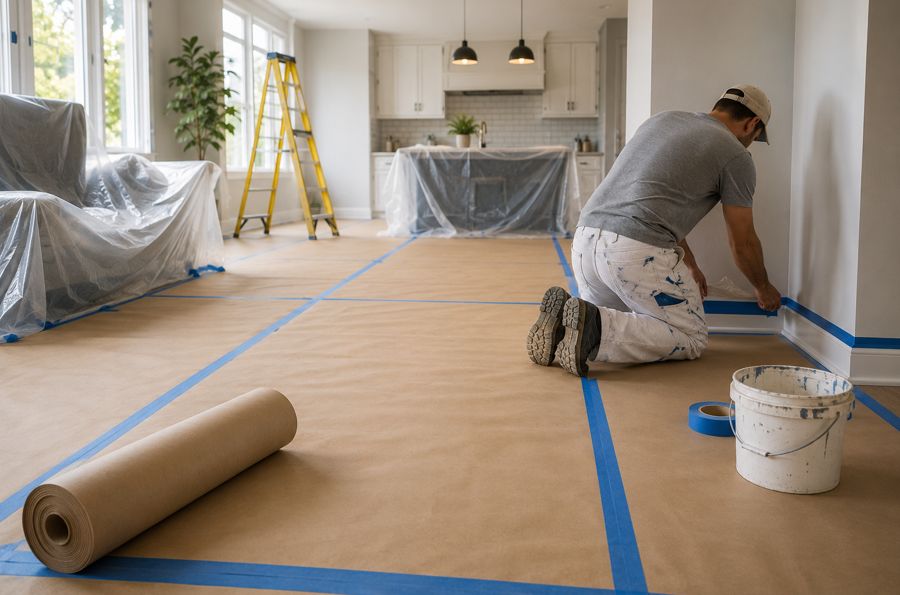
Summer is one of the most popular times for home renovations in Brookfield. The weather is warmer, daylight lasts longer, and many homeowners use the season to refresh kitchens, update living rooms, repaint interiors, remodel basements, or improve busy family spaces before fall routines return.
But while renovation work can transform a home, it can also put flooring at risk. Tools, ladders, paint cans, dust, debris, furniture movement, foot traffic, and moisture can all affect the floors underneath. Even durable flooring can be scratched, stained, dented, or damaged if it is not properly protected before the project begins.
This matters even more if you have laminate flooring. Laminate is a stylish, practical, and durable choice for Brookfield homes, but it still needs thoughtful care during renovation work. Heavy tools, dragging furniture, wet materials, and gritty dust can wear down the surface or damage plank edges.
For homeowners looking for trusted flooring guidance, NPN Flooring brings more than 27 years of flooring and carpentry experience to homes throughout Brookfield and nearby communities. That kind of experience is valuable because floor protection is not just about covering the surface. It is about planning ahead, using the right materials, and protecting your home from avoidable damage.
If you are planning a summer renovation, here is how to protect your floors before, during, and after the project.
Why Summer Renovations Can Be Tough on Floors
Summer renovations often involve more activity than homeowners expect. Contractors may be walking in and out. Furniture may be moved from room to room. Paint, drywall dust, tools, power cords, drop cloths, and ladders may all be part of the process.
In Brookfield, summer weather can add another layer of concern. Humidity, sudden rain, yard debris, and open doors can bring extra moisture and dirt into the home. If workers are moving between outdoor areas and indoor renovation spaces, grit and moisture can quickly end up on your floors.
Renovation projects can also create surface-level and deeper flooring concerns, such as:
• Scratches from dragged furniture or tools
• Dents from dropped equipment
• Paint splatters or adhesive marks
• Dust buildup along plank seams
• Moisture from open doors or wet shoes
• Scuffs from ladders and work boots
• Wear in high-traffic pathways
• Damage from tape or plastic coverings used incorrectly
These issues can happen in any room, but they are especially common in kitchens, hallways, entryways, living rooms, and basement spaces. These areas often become temporary work zones or traffic paths during a renovation.
The good news is that most of this damage can be prevented with a clear plan. Before the first tool comes into the house, homeowners should think about how people will move through the space, where materials will be stored, and how the flooring will be covered.
A little preparation can protect the beauty and performance of your floors while helping the renovation feel smoother from start to finish.
Start with a Clear Floor Protection Plan
Before any renovation work begins, walk through the home and decide which areas need protection. Do not focus only on the room being renovated. Think about the entire path workers, family members, and materials will take.
For example, if you are remodeling a kitchen, the floor in the kitchen matters, but so do the entryway, hallway, dining room, and any route used to carry materials in and out. If you are renovating a basement, the stairs and landing may need just as much protection as the basement floor.
Start by identifying:
• The main work area
• The entry and exit points
• The walking path from the door to the project space
• Areas where tools or materials will be placed
• Rooms where furniture will be temporarily stored
• Spaces where children or pets may still walk through
Once you know the traffic pattern, decide how each area should be protected. A light drop cloth may be enough for a low-risk area, while a busy walkway may need stronger floor protection.
It also helps to speak with your contractor or renovation team before the project starts. Ask how they plan to protect the floors, where they will place tools, and how they will handle dust and cleanup. A professional team should be comfortable discussing these details.
For DIY projects, the same planning applies. Before painting, replacing cabinets, installing fixtures, or moving furniture, make sure the floor is covered properly.
A renovation plan should include floor protection from day one. Waiting until dust, scratches, or paint marks appear is too late. Good preparation helps keep your flooring beautiful while the rest of the home is being improved.
Choose the Right Covering for Each Flooring Type
Not all floor coverings work the same way. The right choice depends on the flooring material, the type of renovation, and the amount of traffic in the room.
For laminate flooring, breathable and secure protection is important. The covering should protect the surface without trapping moisture or leaving residue behind. Avoid using materials that stick aggressively to the floor or create a slippery work surface.
Common floor protection options include:
• Canvas drop cloths for painting and light work
• Ram board or temporary floor protection board for heavier traffic
• Clean cardboard for short-term furniture movement
• Felt-backed protective mats for delicate surfaces
• Non-slip runners for walkways
• Plastic sheeting only when moisture control is carefully managed
Canvas drop cloths can work well for painting, but they may shift if not secured properly. They are also not always enough for heavy tools or active work zones.
Temporary floor protection board is often better for renovation areas with frequent foot traffic, ladders, or equipment. It creates a stronger barrier between the work and the flooring underneath.
Plastic sheeting should be used with care. While it can protect against spills, it may trap moisture if left in place too long, especially during humid Brookfield summers. It can also become slippery, which is not ideal in an active renovation space.
For hard surface floors, avoid tape that sticks directly to the flooring unless the product is specifically designed for that use. Some adhesives can leave residue or affect the finish.
The best covering is one that protects the floor, stays safely in place, and suits the kind of work being done.
Protect Laminate Flooring from Scratches and Dents
Laminate flooring is built for everyday durability, but renovation work is different from normal household use. Tools, ladders, furniture, and construction materials can create scratches or dents if the floor is left exposed.
Before moving anything heavy, clear the pathway. Dirt, small stones, screws, and other debris can scratch the surface when items are dragged or stepped on. Sweep or vacuum before placing protective coverings down.
When moving furniture, lift instead of dragging. Even a small cabinet, chair, or table can leave marks if it is pulled across the floor. For heavier pieces, use furniture sliders designed for hard surface flooring.
Ladders need special care. Ladder feet can leave scuffs or pressure marks, especially if the ladder shifts during use. Place a sturdy protective layer underneath and make sure the ladder sits securely before work begins.
Tools and materials should also have a designated area. Instead of placing drills, paint cans, boxes, or hardware directly on the floor, set up a protected work zone. This reduces the chance of dents, spills, or scratches.
If you have laminate flooring, protecting the top wear layer is especially important. The surface is designed to resist everyday wear, but sharp debris, heavy pressure, and dragged items can still cause visible damage.
Helpful scratch and dent prevention tips include:
• Sweep before covering the floor.
• Use furniture sliders for heavy items.
• Keep tools on a protected surface.
• Place ladder feet on sturdy floor protection.
• Do not drag boxes or cabinets across the room.
• Check work areas daily for screws, grit, and debris.
These simple steps can make a major difference during a summer renovation.
Control Dust Before It Spreads
Dust is one of the most common renovation problems. It can settle on floors, collect along baseboards, and work its way into plank seams or textured surfaces. Drywall sanding, cutting, drilling, cabinet work, and demolition can all create fine dust that moves quickly through the home.
The best approach is to control dust before it spreads. Close doors when possible and use plastic barriers or dust containment sheets around the work area. If the project is larger, zipper barriers can help separate the renovation zone from the rest of the home.
Airflow matters too. Open windows can help in some cases, but they can also bring in humidity, pollen, or outdoor debris. Fans should be used carefully because they may blow dust into clean rooms.
Protective floor coverings should be cleaned regularly during the project. If dust, grit, or debris builds up on top of the covering, it can still become a problem. Workers may track it into other rooms, or it may get pushed under the edges.
Daily cleanup is important. This does not need to be a deep clean every evening, but quick maintenance helps protect the floors.
A simple daily dust control routine can include:
• Sweeping large debris from the work area
• Vacuuming dust with a suitable vacuum
• Checking walkways for grit
• Wiping dust near doorways
• Keeping coverings flat and secure
• Removing loose screws, nails, or sharp pieces
For laminate flooring, avoid using soaking-wet mops to handle dust. A dry microfiber mop or a vacuum with a hard-floor setting is usually a better option.
Dust may seem harmless, but gritty particles can scratch floors when walked on repeatedly. Keeping dust under control helps preserve the flooring throughout the project.
Prevent Paint, Adhesive, and Stain Marks
Paint, adhesive, caulk, wood stain, and other renovation materials can leave lasting marks if they reach the floor. Even a small spill can become noticeable, especially on a clean laminate surface.
Before painting or applying any product, cover the floor fully in the work area. Make sure the protective covering extends beyond the immediate project zone. Paint splatters can travel farther than expected, especially when rolling walls or painting trim.
Pay attention to edges and corners. These areas are often left exposed, but they are where paint drips commonly land. Baseboards, door frames, cabinets, and built-ins all require careful floor protection around the edges.
Keep paint cans, trays, and adhesive containers on a stable protected surface. Do not place them directly on the floor, even for a minute. A small bump can cause a spill.
If a spill happens, act quickly. Use the cleaning method recommended for your flooring type and avoid harsh scraping. For laminate floors, abrasive tools can damage the wear layer.
Tape should also be used carefully. Some tapes can leave sticky residue or affect the finish if left too long. Choose painter’s tape or floor-safe tape only when the product is suitable for the surface, and remove it within the recommended timeframe.
Helpful prevention steps include:
• Cover the full work area before opening paint or adhesive.
• Protect corners and edges carefully.
• Keep cans and trays on a stable surface.
• Clean spills promptly.
• Avoid harsh scraping tools.
• Use floor-safe tape only when appropriate.
A little extra care before painting or staining can prevent frustrating marks after the renovation is complete.
Manage Moisture During Summer Renovations
Summer humidity in Brookfield can affect indoor renovation conditions. Add open doors, wet shoes, outdoor work, plumbing updates, or painting projects, and moisture can become a real concern.
Laminate flooring performs well in many busy homes, but standing water and trapped moisture can still cause problems. If moisture reaches plank edges or sits underneath protective coverings, it may lead to swelling, lifting, or other damage.
During renovation work, be mindful of where moisture may come from. Common sources include:
• Open doors during rain
• Wet shoes or work boots
• Plumbing work
• Paint cleanup
• Wet rags or towels
• Leaky buckets
• Humidity trapped under coverings
• Damp materials placed on the floor
If the project involves plumbing, kitchens, bathrooms, laundry areas, or basements, floor protection becomes even more important. These spaces already have a higher chance of moisture exposure.
Avoid leaving wet drop cloths, towels, or plastic sheets on laminate flooring. If a covering gets wet, remove it, dry the floor, and replace it with clean, dry protection.
Air movement can help, but it needs to be controlled. A dehumidifier may be useful in some renovation spaces, especially basements or rooms with limited airflow. Keeping indoor humidity balanced can help protect flooring and make the renovation space more comfortable.
Moisture protection tips include:
• Wipe up water immediately.
• Keep wet materials off the floor.
• Check under coverings if spills happen.
• Use mats at entry points.
• Keep doors closed during rain when possible.
• Use dry, breathable protection where appropriate.
Summer renovation work can move quickly, but moisture control should never be overlooked.
Set Up Safe Walkways Through the Home
During a renovation, certain paths through the home get used again and again. These walkways may lead from the front door to the kitchen, from the garage to the basement, or from the work area to an outdoor cutting space.
If these routes are not protected, they can show wear quickly. Dirt, dust, tools, shoes, and repeated steps can all affect the flooring.
Create clear walkways before work begins. Use runners, floor protection board, or other suitable coverings along the main paths. Make sure the material lies flat and does not slide. A walkway that shifts underfoot can create safety concerns.
In busy households, it also helps to separate family traffic from renovation traffic where possible. If children or pets are home during the project, block off unsafe areas and guide them through protected paths.
Walkways should be checked daily. Protective materials can move, curl, or collect debris. Keeping them secure helps protect both the floors and the people walking through the home.
Good walkway planning includes:
• Covering the full path from entry to work zone
• Keeping coverings flat and secure
• Removing debris each day
• Avoiding slippery materials
• Blocking off unsafe rooms
• Creating a separate pet or family route when possible
• Adding mats near exterior doors
This is especially useful during summer projects when doors may be open more often and outdoor debris can be tracked inside.
A protected walkway keeps the renovation more organized and reduces the chance of scratches, dents, and dirt spreading through the home.
Protect Floors When Moving Furniture and Appliances
Many summer renovations require furniture or appliances to be moved. This is one of the moments when floors are most likely to be scratched or dented.
Before moving anything, empty heavy furniture when possible. Remove items from cabinets, bookshelves, and storage pieces to reduce weight. This makes the item easier to lift and safer to move.
Plan the route before moving the item. Make sure the floor is clean, the path is clear, and protective coverings are in place. If a piece needs to be moved across laminate flooring, use hard-surface furniture sliders or lifting straps.
Appliances need extra caution. Refrigerators, ovens, washers, and dryers can be heavy and may have sharp edges or wheels that damage flooring. Never drag appliances directly across the floor. Use proper appliance moving equipment and protective boards.
If a kitchen renovation is happening, flooring near appliances should be protected before anything is pulled out. Hidden dust, debris, or moisture under appliances can also affect the floor, so inspect the area during the move.
Furniture and appliance protection tips include:
• Empty furniture before moving it.
• Lift instead of dragging.
• Use sliders made for hard surface floors.
• Protect the full moving path.
• Use boards for heavy appliances.
• Check under appliances for leaks or debris.
• Keep pets and children away during moving.
Taking extra time during furniture and appliance movement can prevent some of the most visible flooring damage.
Keep Pets and Kids Away from Renovation Zones
Brookfield homes are often busy family spaces, and summer renovations may happen while kids are home from school or pets are moving around the house. That can make floor protection more challenging.
Kids and pets can accidentally move floor coverings, step into paint, track dust into clean rooms, or enter unsafe work areas. They may also drag toys, bowls, or furniture across exposed flooring while the home is already disrupted.
Set boundaries before the renovation begins. Use baby gates, closed doors, or temporary barriers to keep children and pets away from active work zones. If the project affects a main living area, create a safe alternate space where the family can relax.
For pets, consider setting up food, water, and bedding away from the renovation area. This helps prevent spills, fur, and paw traffic near the work zone. If workers are entering and leaving through an exterior door, make sure pets are secure.
Helpful family and pet protection steps include:
• Block off active renovation rooms.
• Create a separate safe area for pets.
• Move food and water bowls away from work zones.
• Keep toys out of renovation pathways.
• Use washable rugs or mats in temporary living areas.
• Check that floor coverings remain in place.
• Keep children away from tools and wet materials.
This protects more than the flooring. It also helps the renovation area stay safer and more organized.
A home can still function during a renovation, but it needs clear zones. Keeping kids and pets away from the work area helps protect your floors and your family.
Clean Carefully After the Renovation Is Finished
Once the renovation work is complete, it may be tempting to remove the coverings quickly and enjoy the updated space. Before doing that, take a careful approach.
Start by removing large debris from the top of the protective coverings. If dust, screws, or sharp pieces are sitting on top, they can scratch the floor when the covering is moved.
Roll or fold coverings inward so dust and debris stay contained. Avoid dragging dirty coverings across the floor. Once the coverings are removed, inspect the flooring underneath.
Look for:
• Dust along edges and corners
• Paint specks or adhesive marks
• Scratches or scuffs
• Moisture under coverings
• Dents from tools or ladders
• Grit near doorways and walkways
Use a vacuum with a hard-floor setting or a microfiber dust mop to remove remaining debris. For laminate flooring, follow with a lightly damp mop and a laminate-safe cleaner if needed. Avoid soaking the floor.
Check baseboards, transitions, and plank seams carefully. Renovation dust can settle in small areas and become noticeable later.
If you find a mark, clean it gently before trying anything stronger. Harsh scrubbing, abrasive pads, or sharp tools can create more damage than the original mark.
A careful post-renovation clean helps reveal the finished room properly and ensures your flooring looks as refreshed as the rest of the space.
When to Call a Flooring Professional
Some floor protection concerns are easy to manage on your own. Others deserve a professional eye, especially if damage appears after the renovation.
Call a flooring professional if you notice:
• Deep scratches across several planks
• Raised edges or buckling
• Moisture damage
• Gaps that were not there before
• Soft spots underfoot
• Paint, adhesive, or stain marks that will not clean safely
• Damaged transitions or trim
• Planks that feel loose or unstable
A professional can help determine whether the issue is cosmetic, product-related, moisture-related, or connected to the subfloor. This matters because the right repair depends on the cause.
For example, a surface scratch may only need a repair product. A swollen plank may need replacement. A soft spot may suggest that the problem is below the flooring. Guessing can lead to repairs that do not last.
NPN Flooring’s approach to clear communication and careful workmanship can help homeowners feel confident during repair or replacement decisions. If the scope changes, it is important to understand the next step, the timeline, and the best solution for the home.
Renovations are meant to improve a home. If your floors were affected during the process, professional guidance can help restore the space and protect the investment you have already made.
Protecting Your Floors While Improving Your Home
Summer renovations can make your Brookfield home more beautiful, comfortable, and functional. With the right planning, they do not have to put your floors at risk.
Start by identifying the work zones and traffic paths. Choose floor protection materials that fit the project. Keep dust, paint, moisture, tools, furniture, kids, and pets in mind before work begins. Check coverings throughout the project and clean carefully once the renovation is complete.
Laminate flooring can handle everyday life well, but renovation work adds extra pressure. Protecting the surface during the project helps preserve its style, durability, and long-term performance.
If you are planning a renovation and want guidance on protecting, repairing, or updating your floors, we are here to help. The NPN Flooring team can help you choose the right flooring solutions for your Brookfield home and keep your space looking beautiful through every stage of improvement.


