

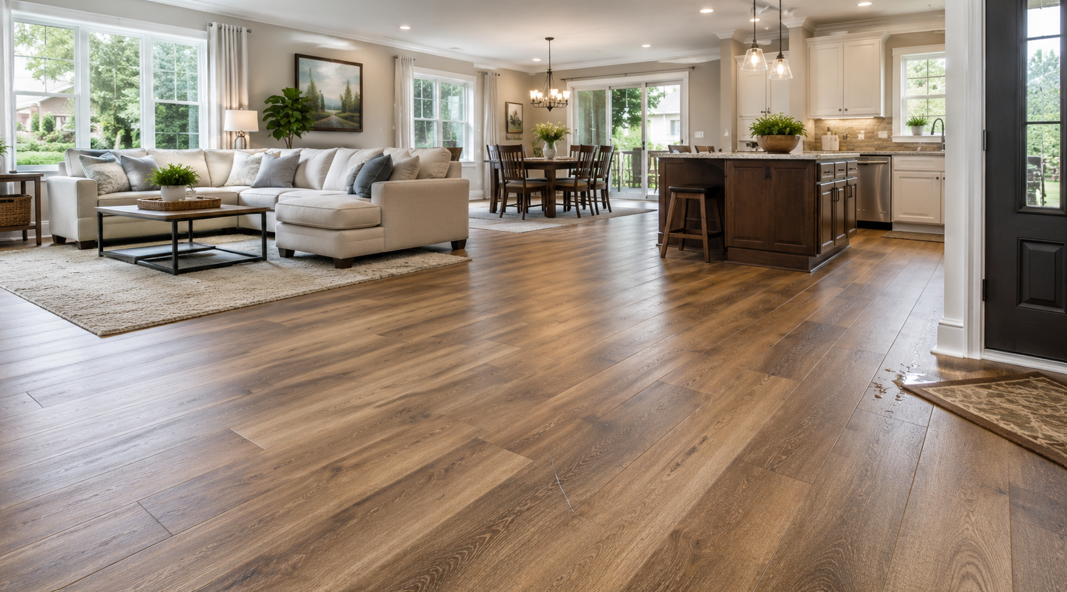
Choosing new flooring can change the look and feel of an entire home, but the best choice is rarely based on appearance alone. Homeowners also have to think about everyday wear, cleaning, moisture, pets, traffic, comfort, and long-term value. That is why laminate continues to get attention from people who want an attractive hard-surface floor without committing to the cost or upkeep of some other materials.
For homeowners in Brookfield, IL, those practical questions matter even more. Seasonal rain, snow, muddy shoes, busy family rooms, and changing indoor conditions can all affect how a floor performs over time. Laminate can be an excellent fit in many spaces, but it also has limitations that are worth understanding before installation begins.
With more than 27 years of experience serving local families, NPN Flooring helps homeowners compare flooring options based on how they actually live. If you are considering laminate for your Brookfield home, here is a clear look at the advantages, drawbacks, and factors that can help you decide whether it is the right choice.
Understanding What Laminate Flooring Offers Brookfield Homeowners
Laminate flooring is an engineered floor made from several layers that work together. The top wear layer helps protect the surface from everyday use. Beneath it is a decorative layer that gives the plank its wood, stone, or other visual design. A dense core provides structure, while a backing layer helps stabilize the plank.
That layered construction is one reason laminate can offer such a wide range of looks. Homeowners can find styles inspired by oak, maple, hickory, walnut, and other wood species, often in multiple colors, plank widths, textures, and finishes.
It is also important to understand that not every laminate floor is built the same way. One product may offer stronger moisture resistance, a more durable wear surface, or a different installation system than another. Warranties can vary too. In other words, choosing laminate is only the first decision. Choosing the right laminate product for the room is just as important.
For many Brookfield homeowners, laminate is appealing because it combines several practical benefits. It can create the look of a finished wood floor, work with many design styles, handle regular household activity, and remain relatively easy to clean. It can also provide strong overall value when the goal is to improve a room without sacrificing style.
The key is to match the floor to the space. A laminate that works beautifully in a bedroom may not be the same product you would choose for a busy kitchen or entryway.
The Advantages of Laminate Flooring in a Brookfield Home
Laminate has remained popular because it solves several common flooring concerns at once. It offers design flexibility, practical durability, manageable upkeep, and a wide range of choices for different rooms.
Attractive Styles Without Being Limited to One Look
One of laminate’s strongest advantages is its visual variety. Modern products can recreate the look of natural wood with detailed grain patterns, realistic textures, and color variation that makes a room feel warmer and more finished.
That flexibility works well in Brookfield homes with different architectural and interior styles. A lighter oak-inspired floor can brighten a smaller living room. Medium brown tones can support a traditional or transitional design. Deeper colors can add contrast to a modern space with lighter walls and cabinetry.
Homeowners can also choose from different plank sizes and surface textures. That makes it easier to coordinate the floor with furniture, paint colors, cabinetry, and the overall mood of the home.
Practical Durability for Everyday Life
Busy homes need floors that can keep up with regular activity. Laminate is designed with a protective surface layer that helps it handle foot traffic, furniture use, children playing indoors, and pets moving through the home.
This makes it a strong candidate for family rooms, living rooms, hallways, and other areas that see consistent use.
Of course, no floor is completely damage-proof. Grit under shoes, dragged furniture, sharp objects, or heavy impacts can still leave marks. The quality of the product matters as well. A higher-performing laminate may offer better resistance to everyday wear than an entry-level option.
For homeowners comparing products, it is worth looking beyond color and asking how the floor is rated for the kind of traffic the room receives.
Easy Routine Cleaning
Laminate is also popular because routine maintenance can be simple. Regular sweeping or vacuuming helps remove dust, crumbs, and grit. Spills can usually be cleaned promptly with methods recommended by the manufacturer.
For families with children, pets, or frequently used living spaces, that straightforward upkeep can be a real advantage. There is no need to build a complicated cleaning routine around the floor.
The main point is to avoid treating every hard-surface floor the same way. Excessive standing water is not a good idea for many laminate products, and harsh or unapproved cleaners may affect the finish. Following the manufacturer’s care instructions helps protect both appearance and performance.
Strong Design Value
Laminate can also offer excellent design value. That does not mean choosing the lowest-cost floor available. It means finding a product that balances appearance, durability, maintenance needs, and budget in a way that makes sense for the household.
A well-selected laminate floor can give a room a substantial visual update. Replacing worn or mismatched flooring with a consistent plank style can make open spaces feel more connected and help furniture and décor look more intentional.
The Drawbacks to Consider Before Choosing Laminate Flooring
Every flooring material has trade-offs, and laminate is no exception. Understanding these limitations before buying can help homeowners avoid choosing a product that does not match the way a room is used.
Moisture Requires Careful Consideration
Moisture is one of the biggest factors to review when choosing laminate. Product claims such as moisture resistant, water resistant, and waterproof do not always mean the same thing, and performance can vary by manufacturer and product line.
That matters in Brookfield homes where rain, snow, and wet shoes can bring moisture indoors. Kitchens, entryways, laundry areas, and below-grade spaces may also face higher moisture exposure than bedrooms or formal living rooms.
The best approach is to check the exact product specifications instead of assuming all laminate behaves the same way. Homeowners can also ask how the floor is intended to be used and what installation or care requirements apply.
Quickly cleaning spills and preventing standing water can help protect many laminate floors, but those habits do not replace choosing a product suited to the room.
Damage Is Not Always Refinished Away
One important difference between laminate and many traditional hardwood floors is how surface damage is handled.
Certain hardwood floors can sometimes be sanded and refinished. Laminate generally cannot be restored that way because its visual layer is part of the manufactured plank rather than solid wood throughout.
If a plank becomes badly damaged, repair may involve replacing the affected plank or section. How practical that is depends on the installation system, plank location, and surrounding floor.
Sound and Underfoot Feel Can Vary
Laminate can feel and sound different from carpet, hardwood, or luxury vinyl. Some people prefer a firmer surface, while others notice more footstep noise depending on the product and installation.
Subfloor condition, underlayment, plank construction, room size, and installation quality all influence the final result. A suitable underlayment may help with sound management and comfort, but requirements vary by product.
Quality Differences Matter
The word “laminate” covers a broad range of products. Two floors can look similar in a sample but differ in surface durability, water resistance, plank thickness, locking systems, texture, warranties, and construction. The better question is whether the product’s performance matches the room, household, and expected level of use.
Where Laminate Flooring Can Work Well Around the Home
One of the best ways to evaluate laminate is room by room. A flooring product may be an excellent choice for one area while another space calls for different features.
Living Rooms and Family Rooms
Living rooms and family rooms are often strong candidates for laminate because they benefit from style and durability. Wood-inspired planks can create a warm foundation for furniture and area rugs, while a consistent floor through connected spaces can improve visual flow.
Bedrooms
Bedrooms often face less moisture and traffic than entryways or kitchens, making laminate a practical option. An area rug can add softness and design interest where desired.
Dining Areas
Dining spaces need flooring that can handle chair movement, crumbs, occasional spills, and regular cleaning. Furniture pads and prompt spill cleanup can help protect the surface.
Kitchens
Some laminate products can work well in kitchens, but specifications matter because kitchens involve spills, splashes, and frequent cleaning. Review the manufacturer’s approved uses, moisture performance, and care recommendations before deciding.
Entryways and Other Busy Areas
Entryways deal with dirt, grit, wet footwear, and seasonal debris. Mats near doors and regular sweeping can help reduce unnecessary wear, but the laminate still needs to be rated for the expected use.
Rooms With Greater Moisture Exposure
Bathrooms, laundry rooms, and below-grade spaces deserve additional attention. Check the individual product’s specifications and installation requirements rather than assuming all laminate is suitable for the same environments.
How to Decide Whether Laminate Flooring Is Right for Your Home
Laminate may be a strong fit if you want attractive hard-surface flooring, practical everyday performance, and plenty of design choice. The right answer depends on how your household lives and where the flooring will be installed.
Consider Your Household
Think about daily life, not only the way the room looks when it is clean and quiet.
Children, pets, frequent guests, and moving furniture can all increase the demands placed on a floor. Those details help determine the durability and moisture resistance worth prioritizing.
Consider the Room
Next, look at the conditions inside the specific room.
Ask whether the area experiences frequent spills, direct access from outdoors, heavy foot traffic, large furniture, or regular moisture. A bedroom and an entryway may call for different performance features even if you want the same visual style in both.
Compare Product Specifications, Not Just Colors
It is easy to get drawn in by a beautiful sample, but similar-looking floors may have very different performance characteristics.
Compare wear resistance, moisture specifications, plank construction, installation requirements, warranties, and approved uses. Homeowners can explore NPN Flooring’s selection of laminate flooring while comparing styles and product features that suit their space.
Think Beyond Today’s Décor
Flooring is a major visual element, so think beyond current trends. Consider whether the color will still work with future paint, furniture, cabinetry, and other updates.
Getting the Best Results From Your Laminate Flooring
Choosing the right product is only part of the project. Preparation and installation also influence how the finished floor looks and performs.
Start With the Subfloor
The surface beneath laminate needs attention before installation. Uneven areas, damage, or moisture concerns can affect how the finished floor sits and performs, and some projects may require subfloor repair first.
Choose the Right Underlayment When Required
Depending on the laminate system, underlayment may support sound management, comfort, moisture protection, or installation performance. Requirements vary, so follow the manufacturer’s instructions and use an underlayment appropriate for both the laminate and subfloor.
Follow Manufacturer Requirements
Details such as expansion spacing, subfloor preparation, moisture conditions, approved rooms, and cleaning recommendations can all influence long-term performance. Manufacturer instructions provide the right baseline for installation and care.
Consider Professional Guidance
A professional can help evaluate the room, household traffic, product features, subfloor conditions, and design goals before installation begins.
NPN Flooring offers free in-home estimates, in-house design consultants, residential installation, subfloor repair, and underlayment services. The company also emphasizes consistent communication, quality materials, and careful project management. For homeowners who want a smooth, guided flooring experience, that kind of personalized support can make the process easier from selection through installation.
Weigh the Pros and Cons Before Transforming Your Floors
Laminate flooring offers several clear advantages for Brookfield homeowners. It comes in a wide range of attractive styles, can handle everyday household activity, is relatively simple to maintain, and can provide strong overall value.
It also has limitations worth considering. Moisture performance varies by product, damaged planks generally cannot be refinished like certain hardwood floors, and quality differences between products can be significant. Installation and subfloor preparation matter too.
The best decision comes from looking at the full picture: the room, household activity, design preferences, maintenance expectations, and long-term plans for the space.
A durable laminate may be an excellent fit for a busy family room, while a moisture-prone area may call for another laminate product or a different material. A well-chosen floor should support the way you actually live.
If you are weighing the pros and cons and want help finding a floor that fits your Brookfield home, get in touch with NPN Flooring to discuss your space, lifestyle, and design goals.


